How Many Poses Are in Sun Salutation: Step-by-Step Breakdown
Ask yoga teachers from different traditions how many poses are in Sun Salutation and in what order, and you might get different answers. Classical
Ask yoga teachers from different traditions how many poses are in Sun Salutation and in what order, and you might get different answers. Classical Hatha traditions often teach a 12-pose cycle with coordinated breath and movement, while Ashtanga and Vinyasa styles use streamlined Sun Salutation A and B sequences with specific breath counts. The exact number depends on which lineage you follow, but each tradition honors the same purposeful arc.
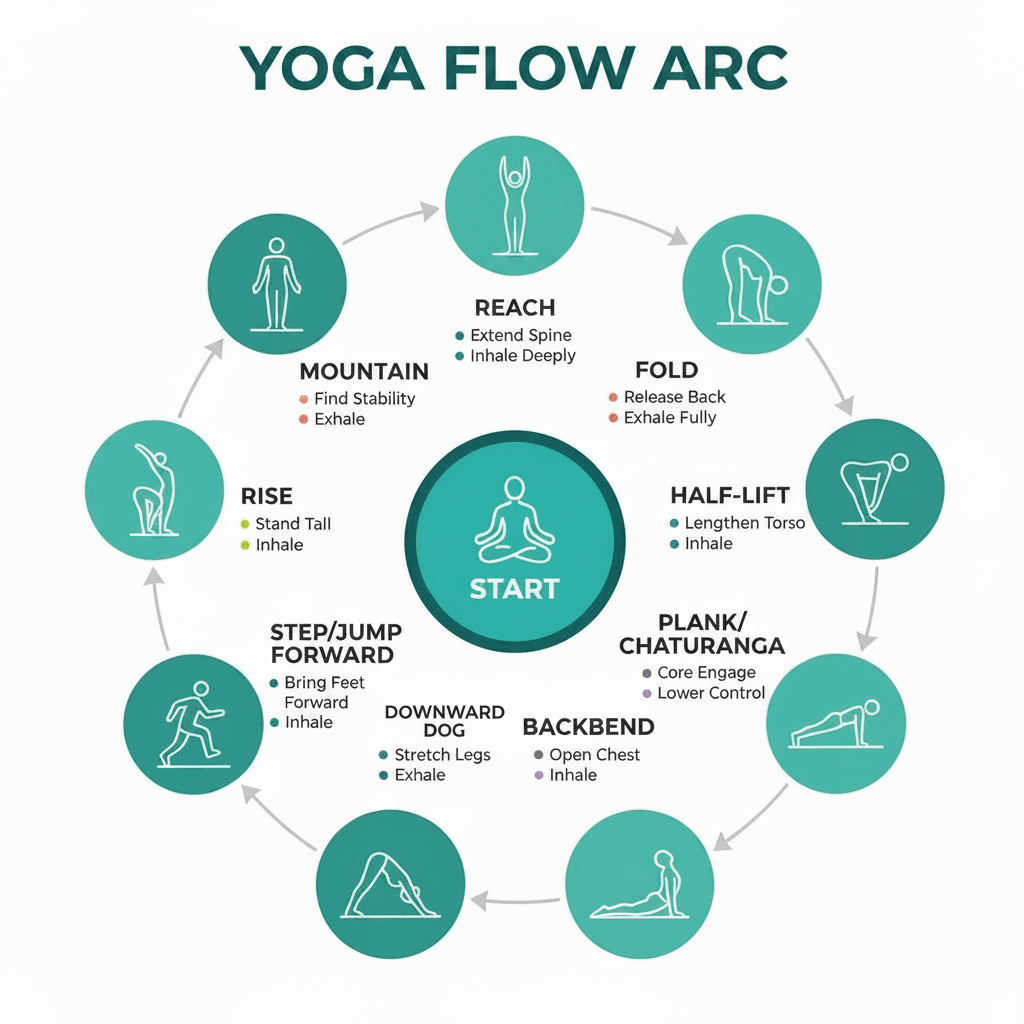
Every Sun Salutation sequence follows a safe, rhythmic pattern: lengthen upward, fold forward, move through plank and backbend, rest in downward dog, then return to standing. This traditional flow warms your body systematically while centering your mind through coordinated breath and movement. Whether you're deepening your personal practice or preparing to guide others, understanding these variations builds confidence and skill. Explore evidence-based yoga education and mentorship with Gaja Collective to strengthen your foundation in authentic sequencing and teaching.
Sun Salutation Pose Order Explained: Classical 12-Step vs. Sun Salutation A & B
Understanding what are the 12 poses of sun salutation and their order depends on which tradition you're following. Each lineage offers a distinct approach to this foundational series, with variations in pose count, breathing patterns, and practice goals. Whether you're practicing at home or preparing to teach, knowing these differences helps you choose the right flow for your needs and honor the rich diversity of yoga traditions.
Classical Hatha: The Traditional 12-Step Flow
Classical Surya Namaskar follows a 12-step series that moves through each pose on both sides of the body. This traditional approach often pairs each transition with specific mantras and emphasizes devotional practice alongside physical poses. The flow includes Low Lunge and Eight-Limbed Pose (where knees, chest, and chin touch the ground), creating a complete, symmetrical practice that honors the sun through mindful repetition.
Ashtanga Sun Salutation A: Streamlined and Flowing
Sun Salutation A condenses the classical arc into a shorter, more flowing loop of about 9-10 transitions. This Ashtanga-style practice removes the Low Lunge steps and emphasizes moving from plank position directly into a gentle backbend. The streamlined approach creates gentle warming while maintaining the core pattern of reaching, folding, strengthening, and opening that makes Sun Salutations so effective.
Sun Salutation B: Adding Strength and Challenge
Sun Salutation B builds on the A series by adding Chair Pose and Warrior I, increasing both physical demand and heat generation. These additions engage the lower body more intensively and create a longer, more challenging practice. The breath-led principle remains constant. Inhales expand the body during reaching and backbends, while exhales create stability during forward folds and arm balances, supporting safe progression through each pose.
Now that you understand the different traditions, let's walk through the most accessible version step by step.
Beginner Guide: Sun Salutation A Step-by-Step (Order and Breath)
Sun Salutation A offers beginners a perfect starting point for learning the step-by-step flow of this foundational practice. This streamlined version removes some complex poses found in classical variations while maintaining the same energizing arc from standing to folding, strengthening, and back to standing. The beauty lies in its simplicity and the way each movement connects seamlessly to your breath.
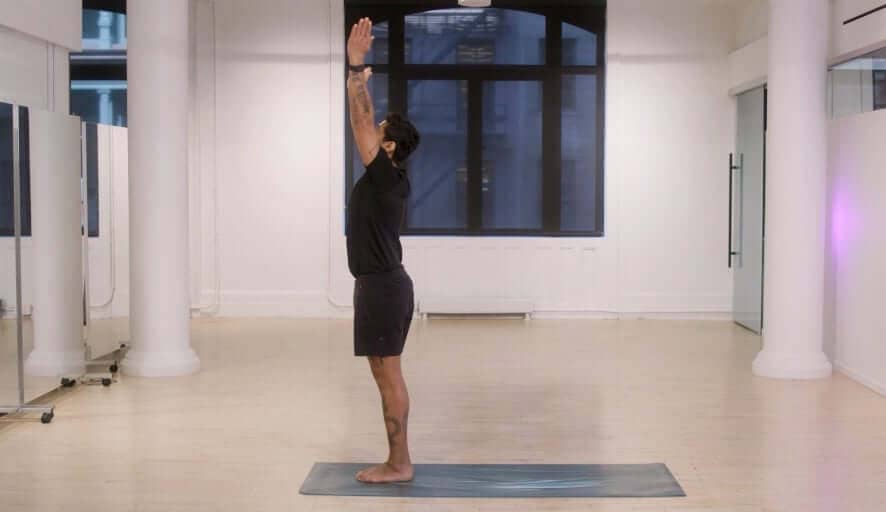
Follow the complete flow: Mountain Pose → Upward Salute → Forward Fold → Half Lift → Plank → Chaturanga → Upward-Facing Dog → Downward-Facing Dog → Half Lift → Forward Fold → Upward Salute → Mountain Pose. Each transition flows smoothly into the next, creating a meditative rhythm.
Coordinate breath with movement: Use a 1:1 breath ratio where each transition matches one complete inhale or exhale. This helps regulate your nervous system and keeps you present throughout the practice.
Pause mindfully in Downward Dog: Hold Downward-Facing Dog for about five steady breaths (roughly 30 seconds), allowing your heart rate to settle and your muscles to lengthen before continuing.
Choose modifications that serve you: Replace Chaturanga and Upward-Facing Dog with Knees-Chest-Chin and Cobra for gentler backbending, step instead of jumping between poses, and widen your stance in forward folds for greater comfort. These variations are equally valid ways to practice.
Start slowly and build gradually: Begin with three rounds, focusing on smooth breath coordination rather than speed, and gradually increase to five rounds as your strength and familiarity with the practice develop.
What's the Difference? Classical 12-Step vs. Sun Salutation A and B
The Classical 12-step Surya Namaskara includes poses that modern variations often skip, creating a more complete devotional arc. This traditional sequence incorporates Ashwa Sanchalanasana (Low Lunge) and Ashtanga Namaskara (Knees-Chest-Chin), which offer deeper hip flexor stretches and a gentler backbend progression. Research shows that traditional Surya namaskar variations emphasize symmetrical movement patterns that honor both sides of the body equally. Sun Salutation A streamlines this flow by removing the lunge and moving directly from forward fold to plank, creating a more efficient warm-up sequence with faster breath-to-movement coordination.
When exploring what is the difference between sun salutation a and b sequences, the distinction becomes clear in their energy and intensity. Sun Salutation B builds on A by adding Utkatasana (Chair Pose) and Virabhadrasana I (Warrior I), significantly increasing lower-body engagement and heat generation. Choose Classical for grounding morning practice with mantra integration, Sun A for a quick, effective warm-up, or Sun B when you need to build strength and prepare for challenging standing poses. Each serves a different purpose in your practice journey.
FAQs: Order, Safety, Breath Counts, and Tradition
Whether you're deepening your personal practice or preparing to guide others with confidence, understanding the specifics behind Sun Salutation helps you teach and practice with authority. These common questions address the reasoning behind pose order, safe modifications, and appropriate pacing.
Why is the order of poses important in Sun Salutation practice?
The sequence safely prepares your muscles and joints through balanced flexion and extension movements. Research shows this alternating pattern supports breathing-led regulation of your nervous system. The order creates a natural warm-up that readies your spine and joints for deeper practice. This is as helpful to know as how many poses are in Sun Salutation for practitioners.
How many poses are in Sun Salutation?
Classical Hatha uses 12 steps per side, while Ashtanga's A sequence cycles through 9-10 transitions. The B variation adds Chair Pose and Warrior I, increasing the total steps. The exact count depends on your chosen lineage and whether you count each side separately.
How many rounds should beginners practice?
Start with 3 rounds and listen to your breathing pattern and joint comfort. Research shows building gradually to 5-13 rounds based on your energy and time available. Quality movement with steady respiratory flow matters more than quantity.
What if Chaturanga strains my shoulders or wrists?
Lower your knees to shorten the lever arm and reduce load on your upper body. You can also substitute Knees-Chest-Chin followed by Cobra. This replaces the full Chaturanga to Upward-Facing Dog transition and helps you build strength safely over time with proper modifications.
How long should I hold Downward-Facing Dog?
Aim for 5 steady breaths, which typically takes 30-45 seconds. Keep your spine neutral and hands actively pressing down. This pause allows your heart rate to settle and gives you time to reconnect with your breath rhythm.
Which Sun Salutation works best for morning practice?
The A sequence or Classical 12-step work well for gentle morning awakening. Choose the B variation when you need extra heat or want to prepare for standing strength poses. Your current energy level and available time can guide your choice.
Build Skill and Confidence: From Personal Practice to Professional Impact
Understanding Sun Salutation sequences gives you a solid foundation in breath-led movement, safe sequencing principles, and the energetic arc that makes yoga both grounding and invigorating. Whether you practice the Classical 12-step cycle or Ashtanga's streamlined variations, each tradition follows purposeful patterns that warm the body systematically.
This knowledge becomes transformative when you can share it with others. This comprehensive grounding becomes the stepping stone to sharing yoga's benefits with your community.
Research shows that yoga teacher training programs create measurable improvements in well-being and mindfulness skills that extend far beyond personal practice. If you're ready to deepen your understanding of sequencing, anatomy, and philosophy, a 200-hour certification provides the comprehensive grounding to teach with confidence.
The most effective programs combine evidence-based learning with structured mentorship, creating supportive relationships that guide your development as both practitioner and teacher. You can explore what this looks like through hands-on learning experiences that honor yoga's rich traditions.
Ready to transform your passion for yoga into professional expertise? Explore Gaja Collective's comprehensive 200-hour Yoga Teacher Training and Breathwork Certification, where you'll gain Yoga Alliance certification, ongoing mentorship, and the skills to foster healing and growth in your community.