Vata Dosha: Your Comprehensive Guide to Balance
In Ayurveda, Vata dosha is the energy of movement—governing breath, circulation, communication, and the nervous system. It is composed of the elements

In Ayurveda, Vata dosha is the energy of movement—governing breath, circulation, communication, and the nervous system. It is composed of the elements air and ether (space), giving it qualities that are light, dry, mobile, and subtle. You can balance Vata dosha through the lifestyle support techniques below.
While Vata is essential for creativity and vitality, it is also the most easily disturbed dosha. When out of balance, it can lead to anxiety, instability, and depletion. This guide focuses specifically on how to balance Vata dosha—with clear, practical strategies rooted in Ayurvedic wisdom and adapted for modern life.
What Is Vata Dosha?
Vata is responsible for all movement in the body and mind, including:
Breathing and circulation
Nerve impulses and sensory perception
Elimination
Speech and communication
Mental activity and creativity
Because it governs movement, Vata also influences the other doshas—making its balance foundational to overall health.
Key Qualities of Vata
Understanding Vata’s qualities helps guide how to balance it. These include:
Light
Dry
Cold
Rough
Subtle
Mobile
Irregular
The core principle of Ayurveda is that like increases like, and opposites balance. Therefore, balancing Vata requires introducing qualities that are:
Warm
Grounding
Moist
Stable
Nourishing

Characteristics of a Vata Constitution
Individuals with a Vata-dominant constitution often embody movement, creativity, and sensitivity.
Physical Traits
Thin or light frame; difficulty gaining weight
Dry skin and hair
Cold hands and feet
Variable appetite and digestion
Light, interrupted sleep
Mental and Emotional Traits
Creative, imaginative, and intuitive
Quick to learn—but also quick to forget
Enthusiastic and adaptable
Prone to worry, anxiety, or overwhelm
Sensitive to environment and stimulation
At their best, Vata individuals are visionaries and creators, bringing new ideas into the world.
Signs of Balanced Vata
When Vata is balanced, it expresses its most positive qualities:
Creativity and inspiration
Flexibility and adaptability
Lightness and enthusiasm
Clear communication
Healthy nervous system function
Balanced Vata brings a sense of flow, ease, and possibility.
Signs of Vata Imbalance
Because Vata is dry, cold, and mobile, imbalance often manifests as instability and depletion.
Physical Symptoms
Dry skin, lips, or hair
Constipation or bloating
Irregular digestion
Fatigue or low energy
Insomnia or light sleep
Cold sensitivity
Emotional and Mental Symptoms
Anxiety or worry
Racing thoughts
Overwhelm
Difficulty focusing
Feeling ungrounded or scattered
Vata imbalance is often linked to excess movement, overstimulation, and lack of routine.
Common Causes of Vata Imbalance
Lifestyle Factors
Irregular schedule or frequent travel
Multitasking and overcommitment
Lack of sleep or rest
Excessive screen time
Dietary Factors
Skipping meals or eating on the go
Cold, raw, or dry foods
Low-fat diets
Irregular eating patterns
Environmental Factors
Cold or windy climates
Loud, busy environments
Excess sensory input
How to Balance Vata Dosha
Balancing Vata is about creating stability, warmth, and nourishment—both physically and mentally.
Vata-Pacifying Diet
Food plays a central role in calming Vata.
Favor These Foods
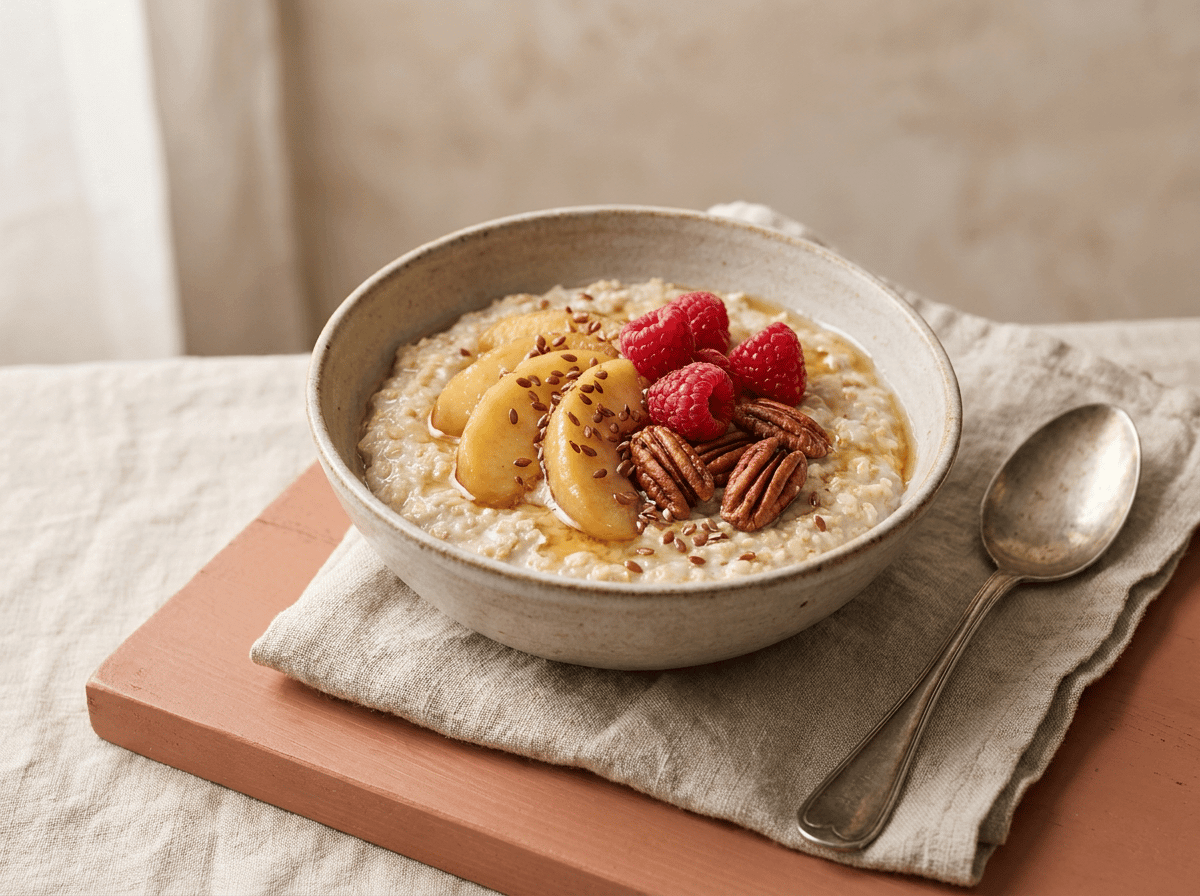
Warm, cooked, and nourishing meals
Healthy fats (ghee, oils, avocado)
Sweet, sour, and salty tastes
Root vegetables (sweet potatoes, carrots)
Whole grains like rice and oats
Warm milk and soups
Limit or Avoid
Cold or raw foods (salads, smoothies in excess)
Dry or crunchy foods (crackers, chips)
Caffeine and stimulants
Skipping meals
Eating Habits
Eat at regular times each day
Favor warm, freshly cooked meals
Eat in a calm, seated environment
Lifestyle Practices for Balancing Vata
1. Establish Routine
Routine is one of the most powerful tools for balancing Vata.
Wake, eat, and sleep at consistent times
Create structure in your day
Avoid over-scheduling
2. Prioritize Grounding
Spend time in nature
Walk barefoot on natural surfaces
Engage in calming, repetitive activities
3. Rest Deeply
Vata types need more rest than they often allow themselves.
Aim for consistent, sufficient sleep
Wind down in the evening
Reduce stimulation before bed
Yoga for Balancing Vata
Yoga practices for Vata should emphasize grounding, slow movement, and stability.
Recommended Practices
Slow, steady sequences
Gentle, mindful transitions
Seated and supine postures
Longer holds to build stability
Avoid
Fast-paced or erratic flows
Overly stimulating or intense classes
Excessive variety without structure
The goal is to cultivate presence and steadiness.
Meditation and Nervous System Support
Vata is closely tied to the nervous system, making mind-body practices essential.
Effective Practices
Grounding meditation (focus on breath or body)
Body scans
Yoga Nidra
Gentle breathwork (slow, rhythmic breathing)
Emotional Support
Journaling to process thoughts
Limiting overstimulation (news, social media)
Creating quiet space daily
Work and Productivity for Vata Types
Vata individuals are idea generators—but often struggle with follow-through.
Strengths
Creativity and innovation
Adaptability
Big-picture thinking
Enthusiasm
Growth Edges
Staying focused on one task
Completing what is started
Avoiding overcommitment
Managing time effectively
Balancing Strategies
Work in structured blocks of time
Limit multitasking
Use simple systems and routines
Build in breaks and rest
Balanced Vata productivity is creative yet grounded.
Relationships and Vata Energy
In relationships, Vata brings lightness, spontaneity, and connection.
Strengths
Playfulness and curiosity
Emotional sensitivity
Open communication
Challenges
Inconsistency
Fear or insecurity
Difficulty staying present
Balancing Strategies
Build reliability and consistency
Communicate needs clearly
Create grounding rituals together
Seasonal Guidance for Vata
Vata is most aggravated during fall and early winter, when the environment becomes cold, dry, and windy.
Seasonal Tips
Stay warm and protected from wind
Favor warm, nourishing foods
Slow down and reduce travel
Prioritize rest and routine
Daily Rhythm for Balancing Vata
Vata is strongest in the body between 2–6 AM and 2–6 PM.
Use early morning for calm, grounding practices
Avoid overstimulation in the afternoon
Wind down early in the evening
Herbs and Natural Supports
Certain herbs can help calm and nourish Vata.
Common Vata-Pacifying Herbs
Ashwagandha (supports stress resilience)
Licorice root (soothing and moistening)
Ginger (supports digestion, when used gently)
Cardamom and cinnamon (warming and balancing)
The Deeper Purpose of Vata
Vata represents movement, creativity, and the spark of inspiration.
When balanced, it supports:
Innovation and new ideas
Flexibility and openness
Joy and spontaneity
Connection and communication
When imbalanced, it can lead to:
Anxiety and fear
Instability and inconsistency
Exhaustion and burnout
The work of Vata is to ground inspiration into form.
Integrating Vata Wisdom into Modern Life
Modern life often increases Vata through:
Constant stimulation
Irregular schedules
Information overload
Disconnection from natural rhythms
Balancing Vata in this context means:
Creating structure in an unstructured world
Slowing down in a fast-paced culture
Nourishing the body and nervous system consistently
Final Reflection
Balancing Vata dosha is not about limiting creativity—it’s about supporting it with stability.
With warmth, routine, nourishment, and rest, Vata becomes a powerful force for imagination and innovation—grounded in clarity and sustained by resilience. Explore the Ayurvedic Foundations course to learn customized lifestyle practices to restore balance throughout your life.
In this way, Ayurveda offers a simple but profound truth: when we stabilize the energy of movement, we create the conditions for everything else in life to flow.