Holistic Health Coach: Transforming Lives Through Mind-Body-Spirit Wellness
Many professionals with years of personal practice feel called to share their wellness knowledge but wonder how to make it a respected career. Your


Many professionals with years of personal practice feel called to share their wellness knowledge but wonder how to make it a respected career. Your natural ability to see the best in people and guide others toward healthy choices and aligning their choices and daily life with who they really are represents the foundation of meaningful work as a holistic health coach. A holistic health coach supports whole-person change by integrating mind, body, and spirit with research-backed methods for lasting change.
The path forward is clearer than you might think. This guide defines the role, maps credible certification pathways through ICF-accredited and NBHWC-approved programs, and shows how to turn personal practice into professional impact. You'll discover how coaches create personalized wellness plans, the specific steps to earn respected credentials, and the benefits of joining a values-driven community. When you're ready to explore how your passion can become your profession, Gaja Collective offers NBHWC-approved and ICF-accredited training and mentorship to make this transition possible.
What Does a Holistic Health Coach Do for Clients?
Understanding what does a holistic health coach do for clients reveals a practice that goes far beyond traditional wellness advice. These professionals partner with clients in three key ways: co-creating personalized goals across mind, body, and spirit wellness, using evidence-based methods for lasting change, and maintaining ethical boundaries that honor client autonomy.
Co-Creating Personalized Wellness Goals
Holistic health practitioners collaborate with clients to identify meaningful goals across multiple life areas including sleep quality, stress management, movement practices, nutrition, and sense of purpose. Instead of generic approaches, these professionals honor each client's cultural background, personal identity, and individual values. This personalized method recognizes that sustainable wellness looks different for everyone and must align with what matters most to each person.
Using Evidence-Informed Behavior Change Methods
Professional practitioners employ research-backed techniques like motivational interviewing and strengths-based planning to help clients develop lasting skills and self-confidence. These methods focus on building intrinsic motivation and self-efficacy rather than providing quick fixes or external pressure. The approach guides clients through structured processes that support gradual, sustainable change while respecting each person's own pace and readiness for growth.
Maintaining Ethical Boundaries and Professional Collaboration
Ethical holistic health professionals operate within clearly defined professional boundaries and collaborate appropriately with healthcare providers when needed. They operate within a non-diagnostic scope, which means they don't diagnose medical conditions or provide medical treatment. Instead, they focus on supporting clients' self-directed health and wellness goals. This approach always centers client autonomy, informed consent, and each person's right to make their own choices.
How To Become a Certified Holistic Health Coach
Making the leap from personal wellness practice to professional coaching requires a clear roadmap that builds credibility and confidence. The right certification program will honor your existing knowledge while developing the structured skills needed for a respected career in holistic health coaching.
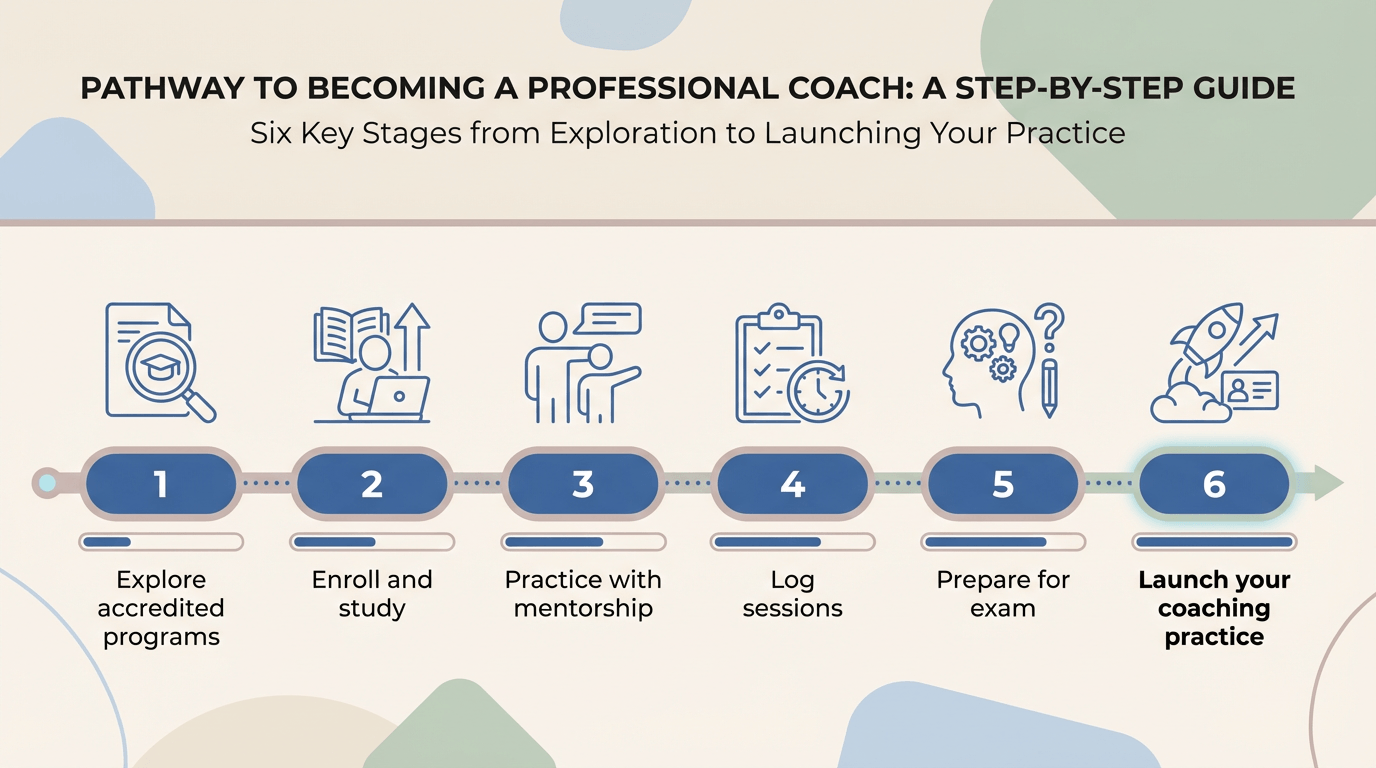
Choose accredited training programs that align with the International Coaching Federation (ICF) and hold approval from the National Board for Health & Wellness Coaching (NBHWC). These credentials provide recognition across healthcare and wellness settings, giving you the credibility needed for a successful career transition.
Complete supervised practice sessions with experienced mentors who can observe your coaching sessions and provide feedback. Log structured practice sessions to develop ethical, client-centered skills that honor diverse backgrounds and support sustainable behavior change.
Commit to a focused 90-day study plan targeting approximately 17 hours per week for coursework and 39 practice coaching sessions. This structured approach builds momentum and prepares you for board certification while allowing you to maintain your current responsibilities during the transition.
Learn from expert faculty who combine academic credentials with real-world coaching experience. Programs with diverse instructors who bring expertise in integrative wellness practices provide the mentorship needed for confident professional development.
Connect with a supportive learning community through live workshops, practice groups, and peer interactions. This network becomes invaluable for ongoing support, case consultation, and professional growth throughout your coaching career.
Experience the program firsthand through preview workshops that let you meet instructors, understand the curriculum approach, and connect with the learning community before making your investment.
Prepare for national board certification by mastering the competencies, ethics, practice hours, and scope of practice that define professional health and wellness coaching. This preparation positions you to work collaboratively within healthcare teams, command professional fees, and maintain the highest standards of client care.
Move toward the International Coaching Federation Exam by completing 100 hours of practice coaching (some of these you should accomplish during your training course) and studying for the test that gives you international recognition among companies and individuals as a well-trained coach.
Benefits of Holistic Health Coaching for Personal and Professional Growth
The benefits of holistic health coaching extend far beyond career development, creating meaningful personal growth through daily practice. As you study mindfulness techniques, compassionate communication, and reflective practices, these tools naturally integrate into your own life. You develop deeper self-awareness and emotional resilience that supports both your effectiveness as a coach and personal well-being. You'll discover that the Ayurvedic health principles and meditation skills you learn become anchors for managing stress and maintaining balance during career transitions.
Beyond personal growth, holistic health coaching offers a portable, meaningful career with recognized credentials and clear ethical standards. Accredited programs provide the competencies needed to work confidently across wellness centers, healthcare settings, or private practice. The comprehensive training includes supervised practice and mentorship that builds real-world skills. You join a global community of over 6,000 alumni who provide ongoing support, case consultation, and continuing education opportunities that prevent isolation and sustain professional growth throughout your coaching journey.
Holistic Health Coach Certification: Frequently Asked Questions
Making the leap from personal wellness practice to professional coaching raises important questions about credibility, time commitment, and ethical boundaries. These answers provide clarity on accreditation standards, realistic expectations, and professional guidelines to help you make informed decisions about your certification journey.
Which accredited programs offer holistic health coach certification and how do I compare options?
Seek programs with both ICF accreditation and NBHWC approval. ICF focuses on coaching competencies and ethics, while NBHWC specifically addresses health and wellness coaching standards. Programs like the Gaja Coach Certification meet both requirements, combining evidence-based coaching with mind-body-spirit integration for comprehensive preparation.
How long does certification take and what should I expect to invest?
Quality programs require 16-21 weeks per certification. Comprehensive bundles take 12-18 months total. Investment typically ranges from $3,000-$15,000 depending on scope and support. The Total Well-Being Coach bundle integrates coaching, meditation, and Ayurveda over 12-18 months, providing multiple credentials in one cohesive pathway.
Can I complete certification while working full-time with family responsibilities?
Yes, many programs offer flexible online formats with evening and weekend options. Plan for 10-15 hours weekly: 3-4 hours for live sessions, 4-6 hours self-study, and 3-5 hours practice coaching. Most accredited programs require 30-50 practice sessions, which you can schedule around your availability. Choose programs with recorded sessions and extended access to accommodate busy schedules.
Do I need prior experience in health or wellness to start certification?
No prior professional experience is required, though personal wellness practice provides valuable foundation. Programs from established schools welcome career changers and provide comprehensive training in coaching skills, behavior change science, and professional ethics. Your background in yoga and meditation actually offers excellent preparation for understanding mind-body connections and contemplative practices that enhance coaching effectiveness.
What are the scope of practice and ethical boundaries for holistic health coaches?
Health coaches partner with clients to support behavior change and goal-setting but cannot diagnose, treat medical conditions, or provide therapy. The NBHWC scope guidelines clearly outline these boundaries and collaboration protocols with healthcare providers. Coaches must maintain client confidentiality, obtain informed consent, and refer to appropriate professionals when issues exceed their training and competence.
Your Next Step: Train With An Accredited, Values-Driven Community
Holistic health coaching offers a meaningful way to support others while building a flexible career. The path requires structured training that meets professional standards and provides real-world practice with mentorship.
When choosing your training path, an ICF accredited holistic health coach certification connects your passion for wellness with skills that healthcare providers and clients value. The coaching industry continues growing as more people seek integrative approaches to well-being.
Ready to guide others on their wellness journey while building your own meaningful career? The Gaja Coach Certification program combines ICF accreditation standards and NBHWC approval with expert instruction, practical frameworks, and ongoing community support. Explore Gaja Collective's accredited program and discover how this comprehensive training can support your journey from personal wellness enthusiast to confident, credentialed coach.